

Denver Disaster Cleanup requires swift action within 24-48 hours to minimize water damage, structural harm, and mold growth. Experts use advanced tools for assessment, shut off utilities for safety, employ state-of-the-art equipment for efficient water extraction, ensure quick drying with specialized equipment, restore structural integrity, offer comprehensive solutions including disinfection and sealing to prevent future issues.
In the vibrant city of Denver, unexpected water damage can disrupt homes and businesses alike, turning a bustling day into a disaster cleanup effort. Prompt action is crucial to mitigate long-term harm and restore properties to their pre-damaged condition. This comprehensive guide offers an authoritative approach to navigating Denver’s Disaster Cleanup landscape, focusing on swift and effective solutions. We’ll delve into the intricacies of water damage assessment, offering expert insights tailored to the unique challenges of the Denver area. By understanding the process and employing proven strategies, homeowners and business owners can efficiently reclaim their spaces after such incidents.
- Assess Water Damage in Denver Disaster Cleanup
- Turn Off Utilities for Quick Response
- Extract Water Efficiently with Professional Equipment
- Dry Out Areas Thoroughly to Prevent Mold
- Restore Structural Integrity and Repaint
- Disinfect and Seal to Ensure Safety
Assess Water Damage in Denver Disaster Cleanup
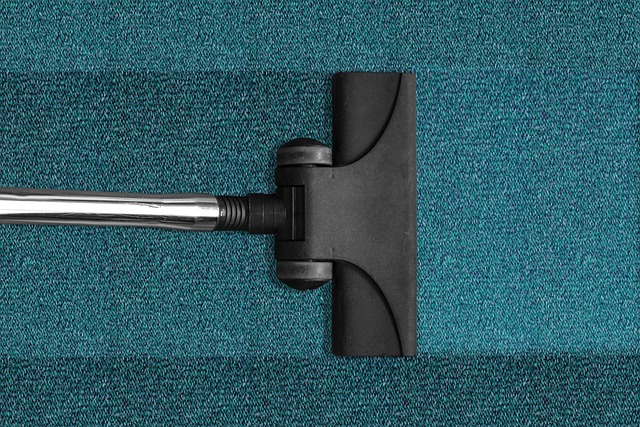
Assessing water damage in Denver disaster cleanup is a critical step towards effective restoration. As time passes, water can cause significant structural harm and foster the growth of mold, posing health risks. Local disaster cleanup experts recommend acting swiftly—within 24 to 48 hours—to minimize these issues. In snowy Denver, where freezing temperatures and high humidity often coincide, water damage can be especially insidious, creeping into hidden spaces behind walls or under floors.
Professionals like Biohazard Cleanup Denver and Mold Removal Denver specialize in identifying these silent threats. They use advanced moisture meters to pinpoint water sources and measure humidity levels, ensuring every corner is examined. For instance, a recent study by the Insurance Institute for Business & Home Safety found that homes left wet for more than 48 hours after a flood were significantly more likely to develop mold and structural damage. This underscores the importance of rapid assessment and intervention in Denver disaster cleanup scenarios.
During an initial assessment, experts consider several factors: visible water stains, source of the leak, materials affected (wood, drywall, insulation), and signs of existing or potential mold growth. They also take into account the age of the property and previous water damage history, as older homes may have more vulnerabilities. Once assessed, a tailored cleanup and restoration plan is developed, ensuring Denver residents receive the most effective disaster cleanup services possible.
Turn Off Utilities for Quick Response

When dealing with water damage in Denver, a swift response is crucial to mitigating potential risks and minimizing repairs. One of the initial steps in any Denver disaster cleanup scenario, especially after fires or floods, is to turn off the utilities. This simple yet critical action halts the flow of water, electricity, and gas, preventing further damage and ensuring the safety of occupants and technicians alike.
Fire and flood restoration experts emphasize that quick thinking can make a substantial difference in the outcome of a water-damaged property. For instance, a recent study by the National Fire Protection Association (NFPA) revealed that prompt shutdown of utilities during structural fires significantly reduces the risk of secondary hazards, including gas leaks and electrical failures. Similarly, in flood situations, turning off electricity can prevent electrocution risks for cleanup crews and residents.
Biohazard cleanup is another specialized service often required after a disaster. In Denver, reputable disaster cleanup contractors are trained to handle these scenarios, ensuring that potentially hazardous materials like mold, bacteria, or human remains are removed safely and in accordance with local health codes. These professionals understand the importance of a thorough assessment, including turning off utilities as a preliminary step, to effectively restore properties affected by water damage, fires, or both.
Extract Water Efficiently with Professional Equipment

When dealing with water damage in Denver, efficient water extraction is a critical step in the cleanup process. Professional equipment plays a pivotal role in this regard, ensuring that water is removed swiftly and effectively. Advanced Restoration Colorado, a leading Denver disaster restoration company, employs state-of-the-art technology to tackle even the most severe water damage scenarios. Their team of experts understands that timely action is essential to prevent further complications, such as mold growth and structural deterioration.
One of the primary tools in their arsenal is a powerful water extraction system designed to handle both residential and commercial properties. This equipment includes high-efficiency pumps and vacuum units capable of removing large volumes of water quickly. By utilizing these advanced tools, Advanced Restoration Colorado can extract water from hard-to-reach areas, carpeted surfaces, and porous materials like wood and drywall, minimizing drying time significantly. Moreover, their professionals are trained to identify potential hidden moisture sources using advanced scanning technology, ensuring no corner is left wet.
In fact, a recent study by the Insurance Institute for Business & Home Safety (IBHS) highlights the importance of prompt water extraction. The data shows that properties with water damage left untreated for just 24-48 hours are at a higher risk of developing mold and structural issues, which can lead to costly repairs. By employing professional equipment and expertise, Denver Disaster Cleanup services like Advanced Restoration Colorado can help property owners avoid these challenges and expedite the recovery process, offering affordable disaster restoration solutions tailored to individual needs.
Dry Out Areas Thoroughly to Prevent Mold
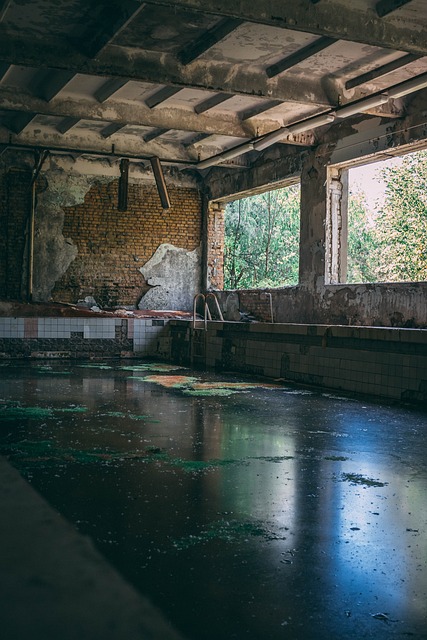
Quick and thorough drying is a critical step in any Denver disaster cleanup effort, particularly when addressing water damage. Water left to sit breeds mold, a significant health hazard that can infiltrate walls, carpets, and furniture, leading to costly repairs and potential health issues for residents. In the vibrant but sometimes unpredictable climate of Denver, where floods can occur suddenly, efficient drying becomes an essential part of the residential disaster response strategy.
The process of dry out areas thoroughly involves a multi-step approach tailored to each specific situation. Experts in Mold Removal Denver recommend assessing water levels, using advanced equipment like air movers and dehumidifiers to expedite evaporation, and addressing any structural damage that may have allowed water intrusion. Restoring homes after floods requires meticulous care to ensure all affected areas are completely dry before beginning the repair process. This proactive approach not only mitigates mold growth but also prevents further damage down the line.
For instance, a recent study by the National Institute of Standards and Technology (NIST) found that visible water damage as little as 48 hours old can support mold growth, highlighting the urgency of swift action. In Denver, where floods from sudden storms or rising rivers are not uncommon, prompt recognition of water intrusion and implementation of effective drying methods become essential for safeguarding homes and health. A professional Denver disaster cleanup service is best equipped to handle these delicate situations, employing specialized equipment and expertise to ensure thorough drying and prevent the costly and unhealthy consequences of mold growth.
Restore Structural Integrity and Repaint
Restoring structural integrity is a critical step in the Denver disaster cleanup process, ensuring your home or building returns to its pre-damaged condition. After water damage, whether from flooding or leaks, the structure can weaken over time if left unattended. Professional restoration services in Denver are equipped with the knowledge and tools to assess and repair any structural issues caused by water intrusion. This may include reinforcing walls, repairing foundations, and replacing damaged components to reestablish the building’s stability and safety.
Once the structure is secure, repainting serves a dual purpose. Visually, it refreshes the space, covering water damage stains and improving aesthetics. Functionally, paint acts as a protective barrier against future moisture intrusion, helping to prevent further deterioration. When considering home renovation after disasters, a fresh coat of paint can also enhance curb appeal and market value, which is essential if you plan to sell your property. Denver emergency response teams often recommend repainting as part of the insurable disaster cleanup process, ensuring clients’ investments are protected.
To achieve optimal results, engage reputable Denver disaster cleanup services that offer both structural restoration and painting solutions. These experts will understand the unique challenges posed by water damage in Colorado’s climate and know how to address them effectively. By combining these strategies, you can restore your home or building to its former glory while safeguarding its longevity against future water-related disasters.
Disinfect and Seal to Ensure Safety
Following a water damage incident, Denver Disaster Cleanup goes beyond initial drying to ensure comprehensive safety through disinfecting and sealing. This multifaceted approach is crucial for mitigating health risks associated with standing water, mold growth, and potential biohazard exposure—all prevalent concerns in Denver’s unpredictable climate.
Experienced disaster cleanup teams employ advanced disinfectants that kill a wide spectrum of pathogens, including bacteria, viruses, and fungi. In flooded homes or businesses, these professionals understand the importance of trauma-informed cleaning services, addressing not just visible damage but also unseen risks. For instance, data from the Centers for Disease Control (CDC) highlights the elevated risk of respiratory issues among individuals exposed to mold following water damage events.
Effective sealing is a critical follow-up step. It prevents future moisture intrusion, thereby reducing the likelihood of secondary damage and additional health hazards. Trained technicians use high-quality sealants to fill porous surfaces, ensuring water doesn’t seep in and create a breeding ground for bacteria or trigger allergic reactions. This meticulous process is particularly vital in Denver’s diverse landscape, where varying weather patterns can exacerbate water damage issues over time.
By combining thorough disinfection with strategic sealing, Denver Disaster Cleanup offers a holistic solution that not only restores properties but also safeguards the well-being of residents and businesses affected by water damage. This commitment to quality and safety sets them apart as a trusted resource for those navigating the challenges of unexpected disasters in the Denver area.
In addressing Denver Disaster Cleanup, this article has underscored several critical steps to ensure swift and effective water damage mitigation. Key insights include assessing water damage thoroughly, promptly turning off utilities, employing professional equipment for efficient water extraction, and meticulously drying affected areas to forestall mold growth. Restoring structural integrity through repairs and repainting is essential, as is disinfecting and sealing surfaces for safety. By adhering to these comprehensive guidelines, residents of Denver can navigate water damage scenarios with confidence, minimizing disruption and ensuring a faster return to normalcy.