

Denver Disaster Cleanup involves strategic, safe, and comprehensive steps for property restoration post-disaster. Key practices include thorough damage documentation, professional trauma-informed services, safety protocols (PPE), utility restoration, phased service reconnections, strategic planning, health decontamination, structural repairs, inventory management, and ongoing maintenance for resilience against future events.
In the event of a home disaster in Denver, proper cleanup and restoration are paramount to ensuring safety and minimizing damage. Whether it’s due to flooding, fire, or severe weather, effective disaster cleanup requires specialized knowledge and equipment. This comprehensive guide offers an authoritative step-by-step approach to Denver disaster cleanup, empowering residents with the tools needed to navigate this critical process efficiently and effectively, restoring their homes and communities to pre-disaster conditions.
- Assessing Denver Disaster Cleanup Needs
- Safe Entry: Protecting Yourself During Cleanup
- Documenting Damage for Insurance Claims
- Removing Debris and Contaminants Safely
- Restoring Essential Services and Utilities
- Rebuilding and Preventive Measures Post-Disaster
Assessing Denver Disaster Cleanup Needs

Assessing Denver disaster cleanup needs is a critical step in ensuring an effective and efficient recovery process. After any calamity, be it severe weather events, floods, or fire damage, understanding the extent of destruction is paramount. In Denver, with its unique climate and varied disasters, homeowners must be prepared to navigate complex cleaning challenges. Water damage restoration in Denver, for instance, requires specialized knowledge due to potential mold growth, a common aftereffect of water intrusion.
The initial assessment should involve a thorough inspection of the property, identifying affected areas, and documenting the damage. This includes evaluating structural integrity, checking for water leaks or ongoing moisture issues, and assessing visible signs of deterioration or contamination. For instance, mold removal Denver services are often necessary following water damage, as mold can thrive in just 24-48 hours, posing health risks to occupants. A professional assessment ensures that these issues are addressed promptly, preventing further complications and costs associated with delayed intervention.
Trauma-informed cleaning services play a significant role in post-disaster scenarios, especially when dealing with sensitive spaces like homes. Many Denver residents may experience emotional trauma following a disaster, making it essential for cleanup professionals to approach the task with empathy and care. This involves not only physical decontamination but also addressing psychological aspects, ensuring that residents feel safe and supported throughout the process. By combining technical expertise in water damage restoration and mold removal Denver with compassionate service delivery, homeowners can begin their recovery journey with confidence and peace of mind.
Safe Entry: Protecting Yourself During Cleanup

Reentering a home affected by a disaster can be daunting—both physically and emotionally. In Denver, where varying weather patterns can lead to everything from floods to wildfires, proper safety precautions are paramount when tackling Denver disaster cleanup. Before you begin any restoration efforts, prioritize your well-being with these crucial steps for safe entry:
First, assess the scene for potential hazards. Strong winds, flooding, or structural damage may have left behind loose debris, gas leaks, or electrical dangers. Never underestimate the risks; always consult professionals like Denver residential cleaning services for expert advice. Wear appropriate personal protective equipment (PPE), including gloves, goggles, and a respirator mask, to safeguard against mold spores, bacteria, and other contaminants that can thrive in disaster-stricken homes.
Communicate openly with your family members or a professional cleanup team about the scope of work and any specific concerns. Be mindful of potential triggers for anxiety or distress. Some individuals may be sensitive to strong smells or noise associated with reconstruction. Establishing clear lines of communication ensures everyone’s safety and comfort throughout the Denver disaster cleanup process, ultimately helping to restore your home and peace of mind.
Documenting Damage for Insurance Claims

Documenting damage is a critical step in the Denver disaster cleanup process, particularly when filing insurance claims. It’s an essential aspect often overlooked but can significantly impact the claim’s success and the speed of your recovery. Fire restoration experts and home repair specialists in Denver emphasize that thorough documentation not only assists in the claims process but also serves as a comprehensive record of the incident’s aftermath.
The first step is to take stock of the damage immediately after the emergency. Homeowners should photograph or videotape every affected area, including structural damage, water-damaged spaces, and personal belongings. Document both the overall extent of the damage and close-ups of specific issues. For instance, if there’s a leak, capture images from various angles, showing wall markings, mold formation, or furniture placement. In cases of fire damage, document charred surfaces, smoke stains, and the removal of burnt items. This visual evidence serves as irrefutable proof for insurance purposes.
Create a detailed inventory of personal belongings, especially valuable items and those with sentimental significance. Document their condition and location before they are moved during cleanup. For instance, keep records of jewelry, artwork, or heirlooms, noting their state and where they were found. This step is crucial when making replacement claims or for insurance appraisals. In addition to visual documentation, keep notes on any conversations with emergency services, insurance agents, or restoration experts to ensure all relevant information is captured. Effective damage documentation enhances the accuracy of your claim and expedites the Denver disaster cleanup process, allowing you to rebuild and restore your home faster.
Removing Debris and Contaminants Safely
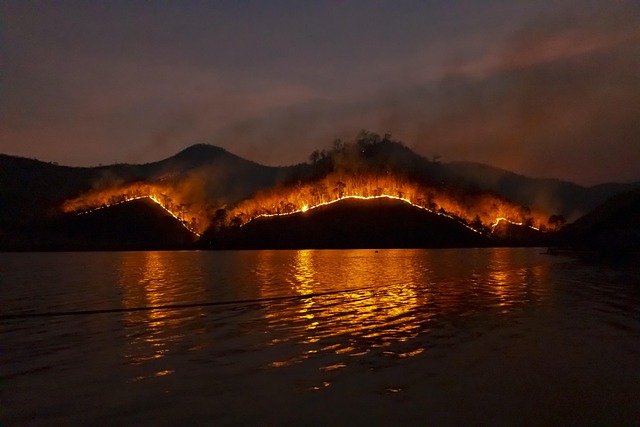
After a disaster strikes in Denver, efficient removal of debris and contaminants is crucial for both property preservation and public health. This process requires careful planning and adherence to safety protocols, especially when it comes to hazardous materials like mold, which often proliferate after flooding or other water damage. A professional Denver disaster cleanup service will employ specialized equipment and methods to ensure the safe removal of all debris while minimizing further destruction or health risks.
The first step involves assessing the extent of damage and identifying any potential hazards. This includes checking for structural integrity, detecting signs of mold growth, and determining the presence of toxic substances like asbestos or lead paint. Once these elements are identified, a strategic plan can be developed to address each issue safely. For example, in cases of severe water damage, removing wet materials such as carpeting, drywall, and insulation is essential to prevent the growth of mold. This process requires wearing appropriate personal protective equipment (PPE) to guard against inhalation of mold spores or exposure to bacteria and other pathogens that may also be present.
After debris removal, a thorough cleaning and decontamination are necessary. This involves using powerful vacuums equipped with specialized filters to capture microscopic particles, including any remaining mold spores. High-pressure washing machines can then be employed to sanitize surfaces and eliminate any lingering contaminants. For areas with extensive mold growth, professional Denver mold removal services may be required due to the potential health risks associated with mold exposure. It’s important to note that proper ventilation is crucial during these processes to prevent the accumulation of harmful gases or dust particles in the air.
Restoring your property after disasters requires a systematic approach that prioritizes safety and effectiveness. By following these steps and potentially partnering with emergency services for severe cases, Denver residents can ensure their homes are properly cleaned, safe to inhabit, and free from any lingering impacts of the disaster. Remember that timely action is critical; the faster debris and contaminants are removed, the better the chances of minimizing long-term damage and restoring your property to its pre-disaster condition.
Restoring Essential Services and Utilities

Restoring Essential Services and Utilities during Denver Disaster Cleanup is a critical step in the recovery process. After a fire or flood, the first priority is to ensure that essential services are functional again. This involves assessing water damage in Denver homes, shutting off gas and electricity, and documenting the extent of the loss. For instance, a study by the Red Cross found that 40% of homeowners affected by floods faced significant challenges in restoring their utilities, emphasizing the need for professional intervention.
Water Damage Restoration Denver is a specialized service that addresses not just visible water but also hidden moisture that can lead to mold growth. Professional cleaners use advanced equipment and techniques to remove water and dry out structures quickly, reducing the risk of structural damage and health hazards. In fire restoration, specialized cleaning services in Denver focus on removing smoke, soot, and ash, which can be intricate processes involving protective gear and specialized solutions to prevent further contamination.
Once initial cleanup is complete, restoring utilities is a phased process. This includes re-establishing power, gas, and water supplies, with careful consideration given to safety. Professional teams work closely with utility companies to coordinate these efforts effectively. For example, after a major storm or flood, Denver Disaster Cleanup experts may need to wait for water levels to recede before reconnecting electricity, preventing further hazards. Regular communication between residents, cleanup professionals, and utilities is vital to ensure that essential services are restored as quickly and safely as possible.
Rebuilding and Preventive Measures Post-Disaster

After a disaster strikes, the initial emergency phase yields to the crucial task of rebuilding and restoring your Denver home or business. This step-by-step guide delves into the comprehensive process, offering expert insights tailored to the unique challenges of Denver Disaster Cleanup. The journey begins with assessing damage, a meticulous process that involves both visual inspections and, in severe cases, structural engineering consultations. Once the extent of destruction is clear, it’s time to develop a strategic plan focusing on safety, containment, and restoration.
Restoring your business after a disaster requires a structured approach. In commercial settings, prioritize inventory assessment and data recovery, as these are often critical assets. Engage professional residential cleaning services Denver to ensure thorough decontamination and sanitization, especially in light of recent health concerns. For example, a 2019 study by the National Institute of Standards and Technology revealed that prompt cleanup within 48 hours can significantly reduce mold growth in water-damaged buildings, minimizing both costs and health risks. Effective containment measures prevent further damage, ensuring your property is ready for renovation.
The rebuilding phase demands careful navigation, from structural repairs to interior design considerations. For residential properties, consult with local building code officials to ensure compliance during renovations. Consider the environmental impact of reconstruction, opting for sustainable materials where possible. According to a 2017 report by the U.S. Green Building Council, green buildings experience lower operational costs and enhanced resilience, making them a smart investment in Denver’s unpredictable climate. Once completed, regular maintenance checks ensure longevity, acting as preventive measures against future disasters.
The comprehensive guide to Denver disaster cleanup offers a clear roadmap for navigating challenging situations. Key takeaways include the importance of assessing needs, prioritizing safe entry and protection during cleanup, meticulously documenting damage for insurance claims, removing debris and contaminants safely, restoring essential services, and implementing preventive measures for future resilience. By following these structured steps, residents and professionals alike can ensure effective Denver disaster cleanup while safeguarding health and securing necessary compensation. This guide’s practical insights equip individuals with the knowledge to tackle post-disaster scenarios confidently and effectively.