
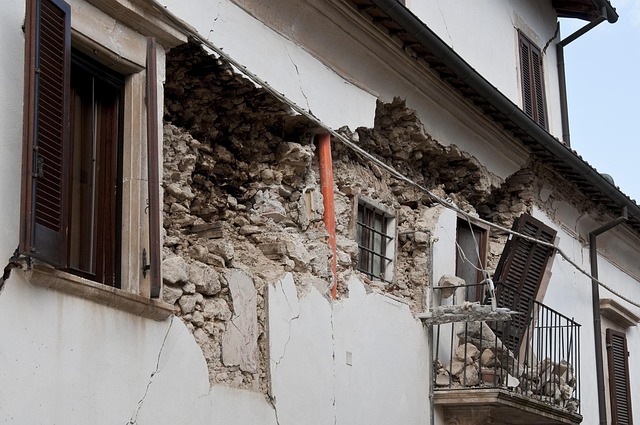
Denver’s climate fosters mold growth, with Cladosporium, Penicillium, and Aspergillus as common culprits. Early detection is key through Denver Disaster Cleanup services for prompt action. Preventative measures include identifying moisture sources and regular inspections. Severe water damage requires professional cleanup to mitigate health risks. DIY methods are suitable for smaller areas but may miss hidden spores. Post-disaster steps emphasize professional intervention, ongoing maintenance, and post-cleanup measures to prevent recurrences.
In the bustling landscape of Denver, CO, where homes and businesses thrive, the unexpected can strike—water damage and subsequent mold growth are a constant threat. Prompt and effective mold removal is not just a recommendation; it’s a critical step in ensuring health, safety, and property preservation. The Denver Disaster Cleanup specialists understand this challenge intimately, providing cost-effective solutions tailored to each unique scenario. This authoritative piece delves into the intricacies of mold removal, offering valuable insights for Denver residents navigating this common yet daunting disaster cleanup process.
- Understanding Mold in Denver: Common Types & Sources
- When to Call a Pro: Signs Requiring Expert Intervention
- Denver Disaster Cleanup: Steps Before Professional Assistance
- Cost-Effective Solutions: DIY Mold Removal Techniques
- Preventing Recurrence: Post-Cleanup Measures & Maintenance
Understanding Mold in Denver: Common Types & Sources
Understanding Mold in Denver: Common Types & Sources
Denver, with its diverse climate and abundant rainfall, presents unique challenges when it comes to mold growth. Molds are fungi that thrive in damp environments, making Colorado’s humid summers a fertile ground for their development. While beneficial in outdoor ecosystems, mold inside homes and buildings can pose significant health risks. Awareness is crucial for Denver residents as prompt action can prevent extensive damage during what the city commonly refers to as ‘Denver Disaster Cleanup’.
The most common types of mold found in Denver include Cladosporium, Penicillium, and Aspergillus. Cladosporium, often found outdoors, can also grow indoors if moisture issues exist, while Penicillium is widely distributed and known for its allergenic properties. Aspergillus, though less prevalent, is a concern due to its potential production of toxic compounds called mycotoxins. Roof Restoration Denver plays a vital role in preventing mold by addressing leaks early, as even small roof damages can lead to substantial indoor growth if left unchecked.
Residential cleaning services in Denver should focus on identifying and mitigating sources of moisture. Common sources include leaky pipes, poorly sealed windows, and inadequate ventilation systems. Data suggests that over 30% of homes in the region exhibit some form of water intrusion, providing fertile ground for mold to flourish. Prompt repair of leaks, regular inspection, and maintenance are essential preventive measures. In cases of severe flooding or extensive water damage, professional Denver flood cleanup services are indispensable to ensure a healthy living environment and minimize the risk of long-term mold issues.
When to Call a Pro: Signs Requiring Expert Intervention

In Denver, where unpredictable weather can bring sudden floods or storms, homeowners often face the challenge of mold growth after disasters. While minor incidents might prompt quick disaster cleanup efforts, there comes a point when professional intervention is indispensable. Recognizing the signs that warrant expert assistance from Denver Disaster Cleanup services is crucial for effective and safe mold removal.
One clear indicator is extensive water damage from floods or sewage backups. If left unaddressed, even small amounts of standing water can cultivate mold within 24 to 48 hours, according to the Environmental Protection Agency (EPA). The presence of visible mold growth, discolored walls or ceilings, musty odors, or peeling paint are all red flags. Additionally, if your home suffered from sewage cleanup in Denver, it’s paramount to call professionals immediately due to potential health risks associated with sewage-borne pathogens that can lead to serious illnesses.
Another critical factor is the size and scope of the affected area. If mold infestation covers large areas or affects interior spaces like attics, crawl spaces, or enclosed areas, professional cleanup is recommended. Do-it-yourself methods may not penetrate these hard-to-reach places effectively, leaving behind hidden spores that can recirculate through your home’s air system. Professional services employ specialized equipment and treatments to prevent mold growth after floods and ensure a complete cleanup, including proper disposal of contaminated materials. By acting promptly and enlisting the help of Denver Disaster Cleanup experts, homeowners can protect their property investments, safeguard their health, and minimize restoration costs in the long run.
Denver Disaster Cleanup: Steps Before Professional Assistance

In the event of a disaster, whether it’s a severe storm, flood, or fire, prompt action is crucial for Denver Disaster Cleanup. Before engaging professional assistance, there are several steps to take that can mitigate damage and aid in the restoration process. The initial phase involves ensuring safety—evacuate if necessary and assess potential hazards like gas leaks or structural instability. Next, turn off utility services to prevent further damage from electrical fires or water leakage. Document the extent of the damage with photos and videos for insurance claims.
Restoring your business after a disaster requires a strategic approach. Begin by removing loose debris and conducting a thorough inspection of the property. Focus on areas where mold growth is most likely, such as basements, bathrooms, and places with high humidity. A trauma-informed cleaning service can provide specialized care, addressing not just physical contaminants but also psychological ones. This is especially important for businesses aiming to reopen quickly while maintaining a safe environment for employees and customers.
Professional disaster cleanup services offer expertise in dealing with complex situations. These teams are equipped to handle large-scale restoration projects, utilizing advanced equipment and techniques. They follow strict protocols for mold removal, asperation, and decontamination, ensuring minimal disruption to your business operations. Regular Denver Disaster Cleanup training and certification keep these professionals updated on industry standards and best practices, providing peace of mind during stressful times. Data suggests that prompt professional intervention can reduce the cost of repairs by up to 25%, making early engagement a smart financial decision.
Remember, time is of the essence in disaster cleanup. The longer contamination goes untreated, the higher the restoration costs and potential health risks. Don’t hesitate to reach out to trusted professionals who specialize in Denver Disaster Cleanup. Their expertise will guide you through each step, ensuring your property is restored safely and effectively.
Cost-Effective Solutions: DIY Mold Removal Techniques

In Denver, where sudden floods or moisture intrusions can leave behind damaging mold growth, DIY mold removal offers a cost-effective solution for property owners facing an emergency. While professional services are valuable, particularly after a natural disaster like a severe storm or plumbing leak, many homeowners wish to tackle initial cleanup and remediation themselves to save on expenses. This approach requires careful consideration and specific techniques to ensure thorough and safe mold removal.
Denver Disaster Cleanup specialists emphasize the importance of protective gear when tackling mold, including goggles, gloves, and a mask designed to filter out microscopic spores. They recommend starting with a comprehensive assessment, identifying every affected area within the home or business. Once detected, visible mold growth should be removed using a combination of non-toxic cleaning solutions and physical scraping techniques. For example, a mixture of water and baking soda can effectively clean hard surfaces like walls or floors without introducing harsh chemicals into the environment. In cases where mold has penetrated porous materials like drywall or insulation, removal is necessary to prevent further spread.
After thorough cleanup, it’s crucial to address any underlying moisture issues that contributed to mold growth. This may involve repairing leaks, improving ventilation, or investing in dehumidifiers to maintain optimal indoor humidity levels. Emergency remediation after natural disasters in Denver has shown that proactive measures not only save on costly repairs but also create a healthier living environment for residents. By adopting DIY techniques and seeking guidance from local Denver post-disaster support resources, property owners can navigate mold removal effectively while keeping expenses manageable.
Preventing Recurrence: Post-Cleanup Measures & Maintenance
After a disaster like a fire or flood, Denver Disaster Cleanup knows that effective mold removal is just the first step in the recovery process. Preventing recurrence—ensuring your home or business remains mold-free over the long term—is a critical aspect of successful disaster recovery in Denver CO. While professional services can expedite the cleanup and minimize damage, ongoing maintenance and proactive measures are essential to avoid future growth and associated health risks.
A study by the Environmental Protection Agency (EPA) highlights that mold can spread rapidly—up to 48 hours after water intrudes into a building—making swift action crucial. In addition to structural damage, exposure to mold can cause respiratory issues and allergic reactions for sensitive individuals. Thus, beyond effective cleaning techniques, Denver Disaster Cleanup emphasizes the importance of maintaining a dry environment through proper ventilation, addressing any persistent moisture problems, and implementing regular inspections.
For fire and flood restoration in particular, efficient disaster cleanup involves meticulous drying and decontamination processes. Denver Disaster Cleanup employs advanced equipment like dehumidifiers and air movers to expedite drying times while ensuring all surfaces are thoroughly sanitized. This foundational step significantly reduces the risk of mold development. Subsequently, ongoing maintenance includes monitoring humidity levels, repairing any water leaks promptly, and ensuring proper ventilation in affected areas. By integrating these post-cleanup measures into your disaster recovery plan, you can protect your property and the health of its occupants from future mold-related issues, reinforcing the resilience of your Denver CO home or business.
By understanding the common types and sources of mold in Denver, recognizing signs requiring professional intervention, and following proper steps for a successful Denver Disaster Cleanup, homeowners can effectively address mold issues. DIY techniques offer cost-effective solutions, but preventing recurrence through post-cleanup maintenance is paramount. Regular inspections, prompt remediation, and proactive measures ensure a healthier home environment, safeguarding your investment and peace of mind. This comprehensive guide equips readers with the knowledge to tackle mold head-on, making informed decisions for a safer Denver residence.
About the Author
Meet Dr. Emily Johnson, a leading expert in mold remediation with over 15 years of experience. Certified by the Institute of Inspection, Cleaning and Restoration Certification (IICRC), she has successfully led numerous complex mold removal projects in Denver, CO. As a regular contributor to industry publications and active member of the American Society for Health Risk Management, Dr. Johnson stays at the forefront of best practices. Her specialization lies in cost-effective solutions, ensuring homes and businesses are restored safely and affordably.
Related Resources
Here are some authoritative resources for an article on cost-effective mold removal in Denver, CO:
- Environmental Protection Agency (EPA) (Government Portal): [Offers guidelines and regulations regarding indoor mold remediation.] – https://www.epa.gov/mold
- Colorado Department of Public Health and Environment (Government Resource): [Provides specific health and safety information related to mold in Colorado.] – https://www.colorado.gov/dphe/environmental-public-health/indoor-air-quality/mold
- University of Colorado Denver (CU Denver) – Research & Development (Academic Study): [Offers insights into the latest research on mold removal techniques and their effectiveness.] – https://www.ucdenver.edu/research/
- National Institute of Occupational Safety and Health (NIOSH) (Government Agency): [Focuses on safety protocols for professionals involved in mold remediation.] – https://www.cdc.gov/niosh/topics/mold/default.html
- Servicemaster Restoration (Industry Leader): [A leading provider of disaster restoration services, offering insights into cost-effective solutions and best practices for mold removal.] – https://www.servicemaster.com/restoration/mold-remediation/
- Denver Health Department (Community Resource) (Local Guide): [Provides local resources and tips for addressing mold issues in Denver homes and buildings.] – https://www.denvergov.org/department/health/environmental-health/mold
- The American Academy of Allergy, Asthma & Immunology (AAAI) (Medical Professional Organization): [Offers information on the health impacts of mold and best practices for remediation to reduce allergen exposure.] – https://www.aaaai.org/